When you’re planning a major heating and cooling installation, you’ll encounter two main approaches: the traditional design-bid-build method and the increasingly popular design-build model. In a design-build HVAC project, a single entity handles both design and construction, streamlining communication and potentially saving you time and money. This integrated approach differs from the conventional method, where you’d hire separate teams for design and installation, then hope they work well together.
The design-build model consolidates responsibility under one roof. Instead of hiring an architect or engineer to create plans, then bidding those plans out to contractors, you partner with a single team from day one. This team typically includes HVAC designers, engineers, and installers who collaborate throughout the project.
In traditional projects, communication flows through multiple parties. You tell the designer what you need, they create plans, and contractors interpret those plans during installation. Each handoff introduces potential for miscommunication or conflicts. Design-build eliminates these silos by having everyone work together from initial concept through final commissioning.
This approach has gained significant traction in recent years. Many building owners report faster project completion and fewer change orders when using design-build delivery. The method works particularly well for complex systems where design and installation expertise need to inform each other continuously.
One of design-build’s greatest strengths lies in how it integrates HVAC design with the broader engineering design process. Mechanical engineers can consult with installation crews about practical considerations before finalizing plans. If an installer knows a particular duct routing will be difficult to access for maintenance, they can flag this during the design phase rather than after equipment arrives on site.
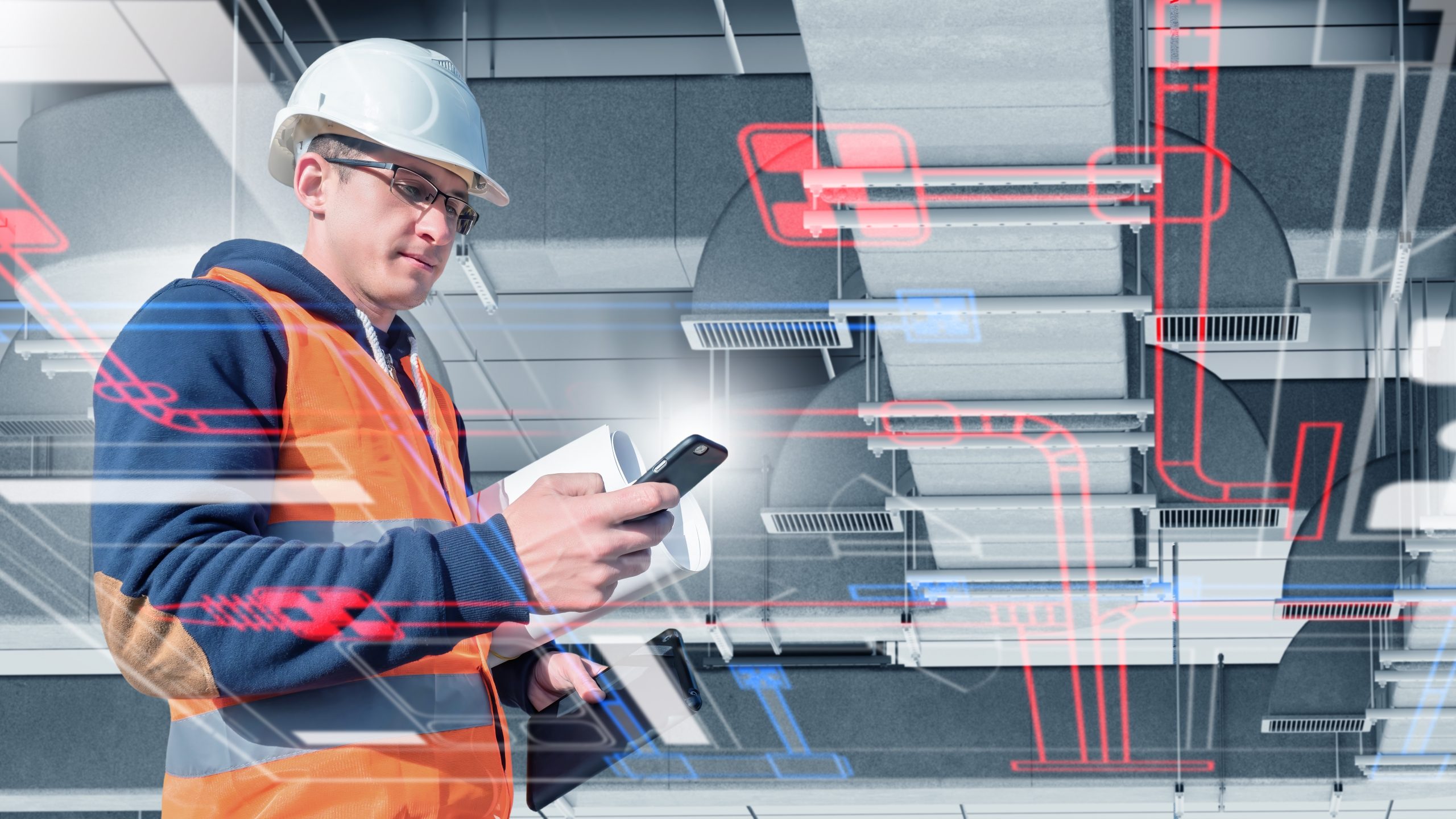
This collaboration extends to information modeling technologies like Building Information Modeling (BIM). Design-build teams often create detailed 3D models that show exactly how HVAC components fit within the building structure. These models help identify conflicts with structural elements, electrical systems, or plumbing before construction begins.
The integration becomes even more valuable when dealing with energy efficiency goals. Engineers can model different system configurations, while installers provide real-world feedback on maintenance requirements and equipment reliability. This back-and-forth produces designs that balance theoretical efficiency with practical operation.
Design-build typically shortens overall project duration by 30-40% compared to traditional methods. Since design and construction can overlap, installation can begin in certain areas while design continues in others. This phased approach works especially well for new construction projects where the building shell progresses in stages.
When issues arise, you don’t need to determine whether the problem stems from design flaws or installation errors. The design-build team owns both, simplifying problem resolution and eliminating finger-pointing between designers and contractors. This unified responsibility often leads to faster solutions and clearer communication.
Many design-build contracts offer guaranteed maximum price agreements. You’ll know your total investment earlier in the process, making budgeting more straightforward. Traditional projects often experience cost increases when contractors discover design impracticalities during installation.
The integration benefits extend beyond just HVAC. Design-build HVAC teams coordinate closely with general contractors, architects, and other trades. This collaboration reduces conflicts and ensures your climate control system integrates seamlessly with lighting, fire suppression, and building automation systems.
Design-build doesn’t mean your general contractors become irrelevant. Rather, the relationship evolves. In many new construction projects, the general contractor serves as the primary design-build entity, subcontracting HVAC design-build teams as specialty partners. This structure maintains the GC’s overall project coordination role while giving HVAC specialists autonomy over their system.
Alternatively, some projects use separate design-build agreements for different building systems. You might have one design-build team for HVAC, another for electrical work, with a general contractor coordinating between them. This hybrid approach works well for renovations where HVAC represents the primary scope but other trades need coordination.
Communication protocols matter enormously in these arrangements. Successful projects establish clear lines of authority, regular coordination meetings, and shared project management platforms. When everyone understands who makes decisions about what, the design-build advantages multiply.
Building Information Modeling has revolutionized how design-build teams plan and execute HVAC installations. These digital models go far beyond traditional blueprints, creating virtual representations of every system component in three-dimensional space. You can “walk through” your mechanical room before a single piece of equipment is ordered.
The benefits extend throughout the project lifecycle:
Clash detection: Software identifies where ductwork might intersect with structural beams or where equipment access conflicts with door swings
Energy analysis: Engineers simulate system performance under various conditions, optimizing design before installation
Fabrication accuracy: Contractors can prefabricate ductwork and piping to exact specifications, reducing field measurement errors
Maintenance planning: Building operators receive as-built models showing precise equipment locations and specifications
Many building owners now require BIM deliverables as part of their design-build contracts. These models become valuable assets for facility management, renovation planning, and system troubleshooting years after initial installation.
Design-build HVAC projects typically cost 5-10% less than traditional delivery methods for comparable systems. These savings come from reduced change orders, faster completion (lowering soft costs), and better value engineering during design.
However, upfront costs may feel higher because you’re committing to a design-build team before detailed designs are available. You’ll need sufficient project definition to get accurate proposals, which sometimes requires preliminary engineering work. Budget $5,000-$15,000 for this pre-design phase on commercial projects.
Total costs depend heavily on system complexity, building size, and performance requirements. A basic rooftop unit replacement might run $8,000-$15,000, while a comprehensive commercial system for a 50,000-square-foot building could range from $500,000 to over $1 million. Design-build doesn’t change these fundamental cost drivers but can help you get more value from your investment.
This approach shines in several scenarios. Fast-track projects with aggressive timelines benefit enormously from overlapping design and construction. Complex systems requiring specialized expertise favor the integrated approach. Projects with ambitious performance goals – such as LEED certification or net-zero energy use – require continuous optimization, which design-build enables.
Conversely, simple equipment replacements using standardized designs may not justify design-build’s coordination structure. If you’re simply swapping a 20-year-old rooftop unit with a new equivalent model, traditional procurement might prove simpler. Similarly, projects with fully complete, tested designs from previous similar buildings may not need design-construction integration.
Ready to explore how design-build can work for your project? Our team of HVAC experts specializes in creating efficient HVAC system solutions for commercial buildings of all sizes. Whether you’re planning a tenant improvement, a complete system overhaul, or new construction, we’ll help you understand how the right approach can reduce your operating costs while delivering superior comfort and performance. From initial design concepts through final installation, we’re committed to making your project a success.
Contact us today to discuss your specific needs and discover how our integrated design-build approach can save you time and money while ensuring a system that performs flawlessly for years to come.
Our Services:
Get an Estimate