
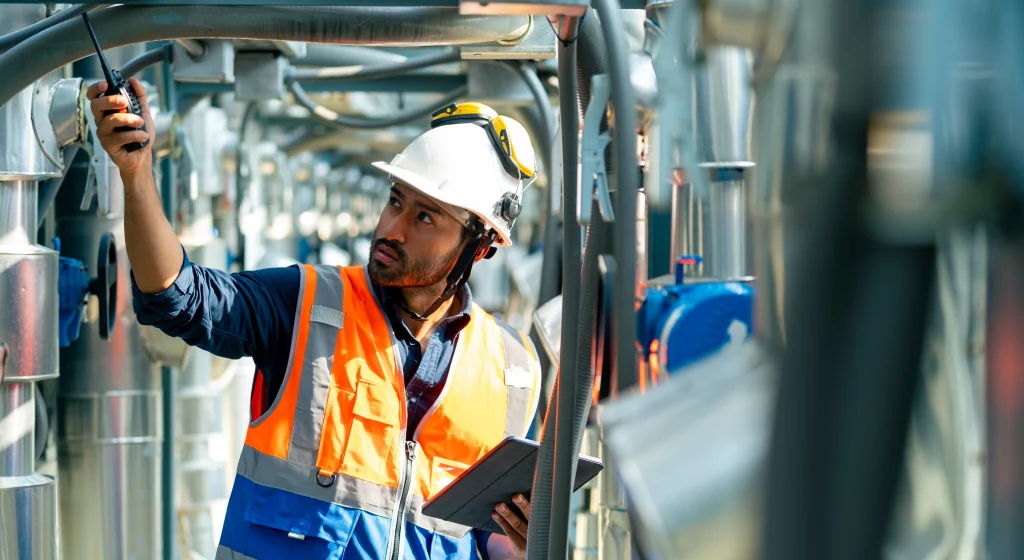
For building owners and facility managers, an aging HVAC system represents both a challenge and an opportunity. While older systems may be costing you more in energy bills and repairs, a comprehensive audit can reveal exactly where problems exist and what solutions will deliver the best return on investment. Whether you’re dealing with a system that’s been in place for a decade or longer, following a structured evaluation process helps you understand its true condition and plan your next steps wisely.
Before you begin the physical inspection, gather all available documentation about your system. This includes original installation records, service history, warranty information, and previous maintenance logs. A complete commercial HVAC audit checklist should cover air handling units, condensing units, ductwork, controls, thermostats, and all related electrical and mechanical components. Create a written inventory of all HVAC equipment, noting model numbers, serial numbers, installation dates, and rated capacities.
Start by walking through your facility to identify all system components and their locations. Many older buildings have equipment spread across rooftops, mechanical rooms, and basement areas. Understanding the full scope of your system prevents you from overlooking critical components during the audit process.
Contact Solace Enterprises for a professional HVAC audit and replacement.
Commercial HVAC systems typically have a lifespan of 15 to 25 years, depending on usage and maintenance quality. Check the nameplate data on each piece of HVAC equipment to determine its age and compare its specifications against current requirements for your space. Equipment that’s approaching or exceeding its expected lifespan may still function but often operates inefficiently and requires frequent repairs.
Pay particular attention to refrigerant types used in older systems. Many units installed before 2010 use R-22 refrigerant, which has been phased out and is now expensive to replace. Systems using outdated refrigerants may need replacement sooner rather than later, as servicing costs will continue to rise.
A detailed HVAC inspection checklist forms the backbone of your audit. This checklist should include visual inspections, performance measurements, and operational tests for each system component. Organize your checklist by equipment type and location to ensure nothing gets missed during the evaluation process.
Your inspection checklist should address safety concerns first, including checking for gas leaks, electrical hazards, and proper ventilation. After safety items, focus on functionality and efficiency metrics that reveal how well the system performs its intended job.
Our qualified technicians can perform a professional HVAC audit for your property.
Review how commercial HVAC maintenance has been performed on your system historically. Examine maintenance records to identify whether routine tasks like filter changes, coil cleaning, and belt replacements have occurred on schedule. Gaps in maintenance history often explain current performance problems and can help predict which components are most likely to fail soon.
Compare your past maintenance practices against industry standards and manufacturer recommendations. Many older systems suffer not from age alone but from years of deferred or incomplete maintenance that allowed minor problems to compound into major issues.
Evaluating energy efficiency is crucial when auditing an older system, as efficiency losses directly impact your operating costs. Use a power meter to measure actual electricity consumption during typical operating conditions, then compare these readings against nameplate ratings. Significant discrepancies indicate the system is working harder than designed, usually due to wear, poor maintenance, or improper settings.
Calculate the system’s Seasonal Energy Efficiency Ratio (SEER) or Energy Efficiency Ratio (EER) if possible, and compare it to modern equipment standards. Today’s commercial systems often achieve SEER ratings of 14 to 18, while systems from the 1990s and early 2000s may only reach 8 to 10. This efficiency gap translates directly into higher utility bills month after month.
The hands-on HVAC inspection begins with a visual examination of all accessible components. Look for obvious signs of damage, corrosion, leaks, or unusual wear patterns. Listen for abnormal sounds, such as grinding, squealing, or rattling, that suggest mechanical problems. Note any unusual odors that might indicate refrigerant leaks, electrical issues, or biological growth.
Test all system controls and thermostats to verify they respond correctly and maintain desired temperatures. Measure supply and return air temperatures at multiple points throughout the system to identify inconsistencies that suggest ductwork problems or failing equipment.
Inspect all air filters throughout the system, noting their type, size, condition, and whether they fit properly in their frames. Gaps around air filters allow unfiltered air to bypass the media, reducing indoor air quality and allowing dirt to accumulate on sensitive components. Check filter change schedules and determine if the current filter type provides adequate protection for your equipment and occupants.
Poor filtration affects more than air quality. When filters become clogged or are inappropriate for the application, they restrict airflow, forcing the system to work harder and consume more energy while delivering less comfort.
The heat exchanger is one of the most critical safety components in gas-fired heating systems. Cracks or holes in the heat exchanger can allow carbon monoxide and other combustion gases to mix with circulating air, creating a serious health hazard. Inspect the heat exchanger carefully using a bright light and a mirror to examine areas that aren’t directly visible.
Look for signs of overheating, such as discoloration or warping of metal surfaces. Rust and corrosion on the heat exchanger indicate moisture problems that weaken the metal and shorten its life. Any suspected damage to the heat exchanger requires immediate professional evaluation, as this component cannot be repaired and typically necessitates replacing the entire furnace.
Gather at least 12 months of utility bills to understand your energy costs and identify seasonal patterns or unusual spikes in consumption. Compare energy usage during similar weather conditions across different years if data is available. Rising energy costs despite stable utility rates suggest declining system efficiency.
Break down your energy consumption by area if your building has sub-metering, as this reveals whether certain zones consume disproportionate energy. These hot spots may indicate localized equipment problems, poor insulation, or thermostat issues requiring attention.
For buildings with a heat pump, test both heating and cooling modes to ensure the reversing valve functions correctly. Measure refrigerant pressures and compare them to manufacturer specifications for the current outdoor temperature. Improper pressures indicate refrigerant leaks, system restrictions, or compressor problems.
Inspect all refrigerant lines for damage, missing insulation, or signs of oil residue that suggest leaks. The heat pump’s defrost cycle should also be tested during cold weather to verify it operates correctly and doesn’t run excessively.
The evaporator coils remove heat and humidity from your building’s air, making them essential for cooling and dehumidification. Inspect evaporator coils for dirt buildup, biological growth, or bent fins that restrict airflow. Even a thin layer of dirt on coil surfaces significantly reduces heat transfer efficiency.
Check the condensate drain pan and drainage lines for clogs, standing water, or biological growth. Blocked drains cause water to back up, potentially damaging equipment or causing indoor air quality problems. Verify that condensate pumps (if equipped) operate correctly and that drainage lines slope properly toward drains.
A structured approach to auditing your commercial HVAC unit prevents costly repairs and extends equipment life while keeping your office building comfortable for building occupants and other users. By following a comprehensive maintenance checklist that addresses everything from clogged filters and drain lines to electrical connections and gas pressure, you ensure safety and compliance with safety regulations. Regular attention to details like refrigerant levels, oil stains around compressors, and the need to inspect belts helps you catch problems before they escalate. Working with qualified HVAC technicians to calibrate sensors, monitor air conditioning systems’ performance, and improve indoor air quality creates a healthier environment while controlling operational expenses.
The benefits of systematic audits extend beyond immediate problem-solving. A well-documented maintenance program helps you maintain consistent temperature control throughout your facility, prevents mold growth in humid areas, and identifies opportunities to upgrade to smart thermostats and other efficiency-enhancing technologies. Whether your system needs minor adjustments or major overhauls, the insights gained from a thorough audit empower you to make strategic decisions that balance comfort, safety, and cost-effectiveness. By investing time in understanding your system’s condition today, you protect your equipment investment and create a more comfortable, efficient environment for years to come.
Our Services:
Get an Estimate